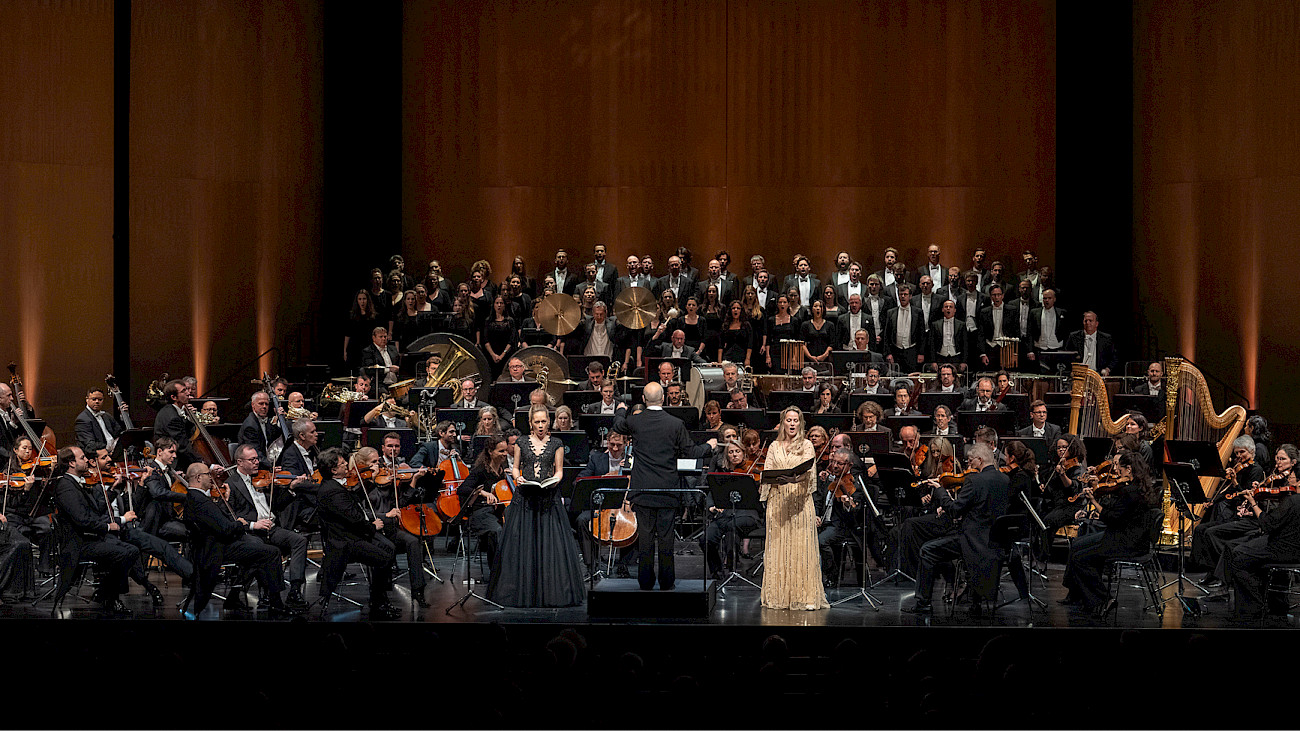
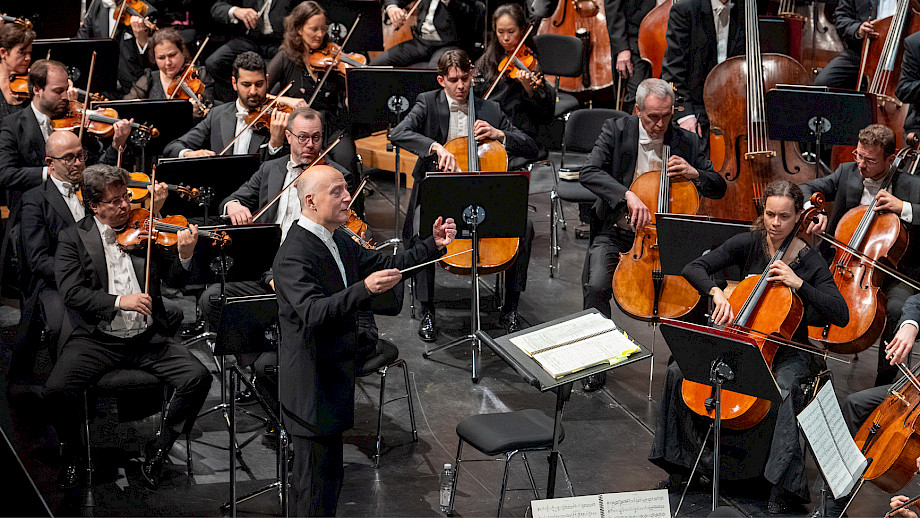
Mahler's Symphony No. 2 at the Festspielhaus-Baden-Baden. Photo: Michael Gregonowits.
Mahler residence

That was the first round in Baden-Baden

The Tonhalle-Orchester Zürich played two Mahler symphonies at the Festspielhaus - at the start of a longer collaboration.

Susanne Kübler

Where do we record the Eighth? This question arises for almost every orchestra that wants to perform and record a Mahler cycle. This is because Symphony No. 8, also known as the "Symphony of a Thousand", with its huge orchestration is beyond the capacity of most concert halls - including the Tonhalle Zurich.

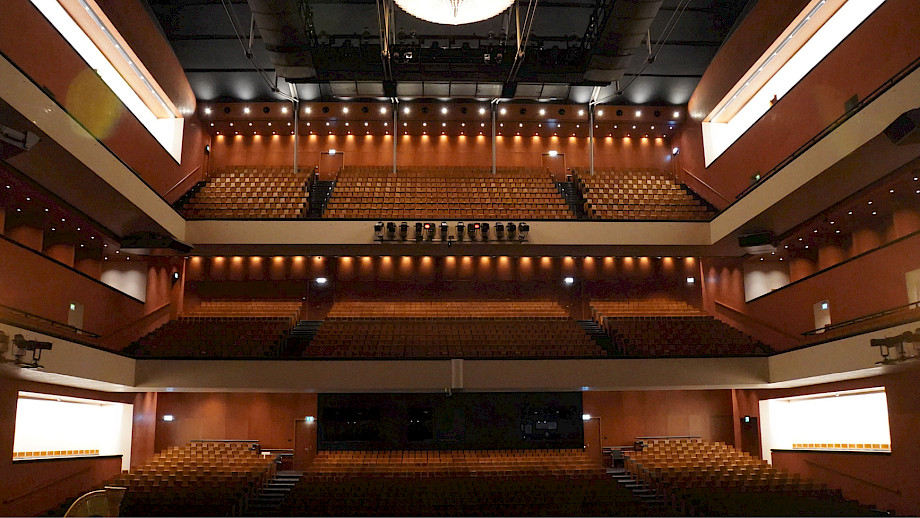
So where do we record the Eighth? The answer was found a good year ago, and it had consequences: The Festspielhaus Baden-Baden, the largest opera and concert hall in Germany with 2,500 seats and the second largest in Europe after the Bastille Opera, will not only be the venue for this work. The Tonhalle-Orchester Zürich will also be presenting a large part of the Mahler cycle in this hall as part of a three-year residency.

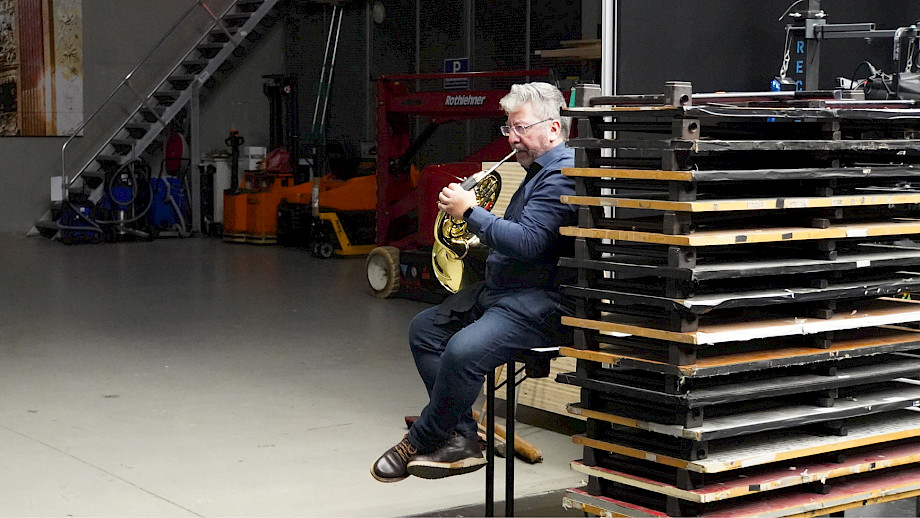
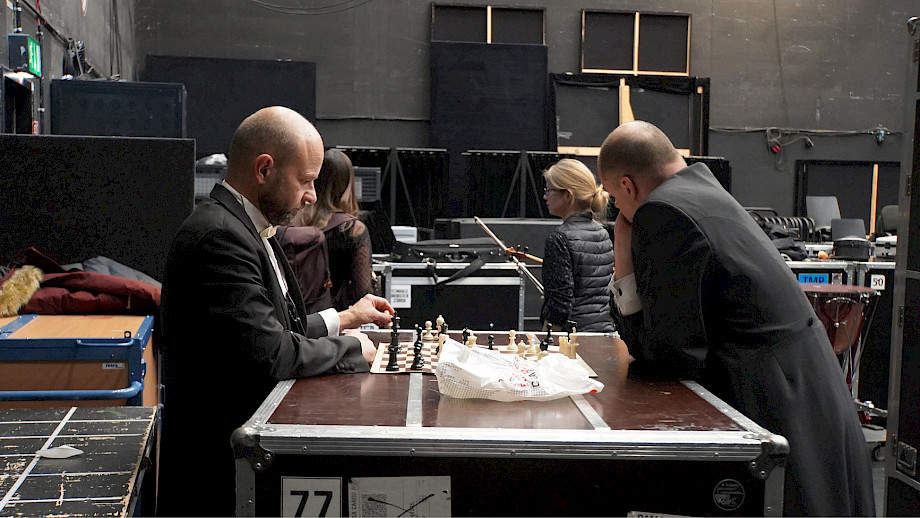
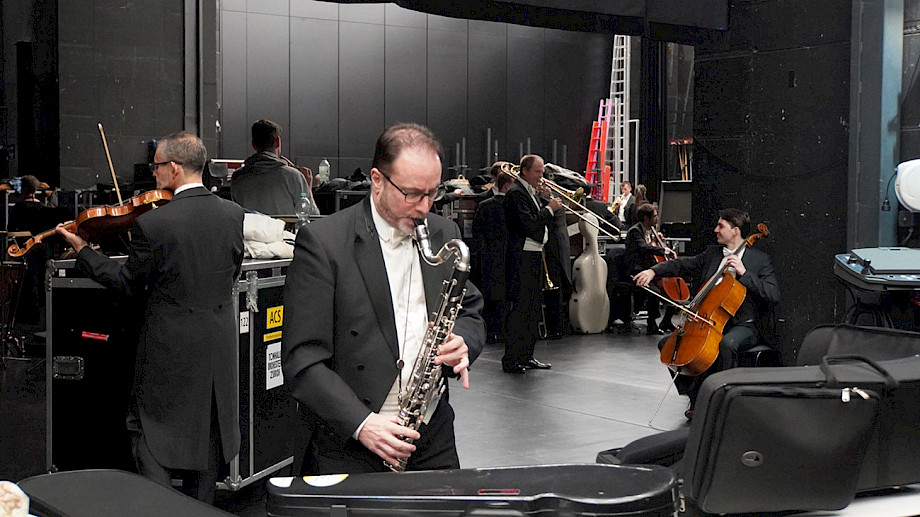
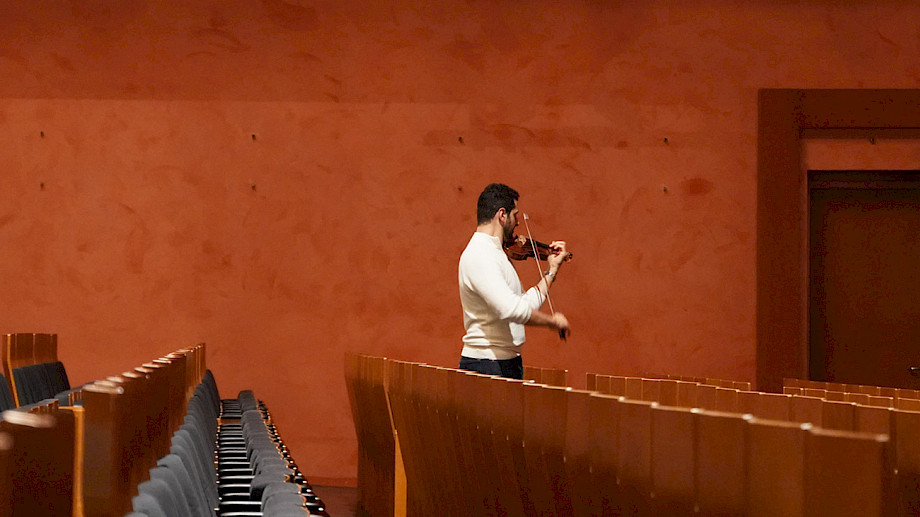
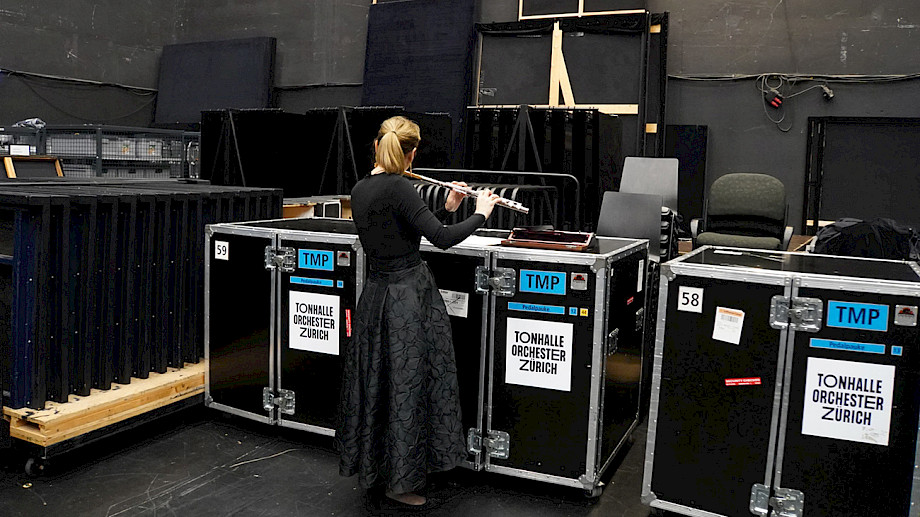
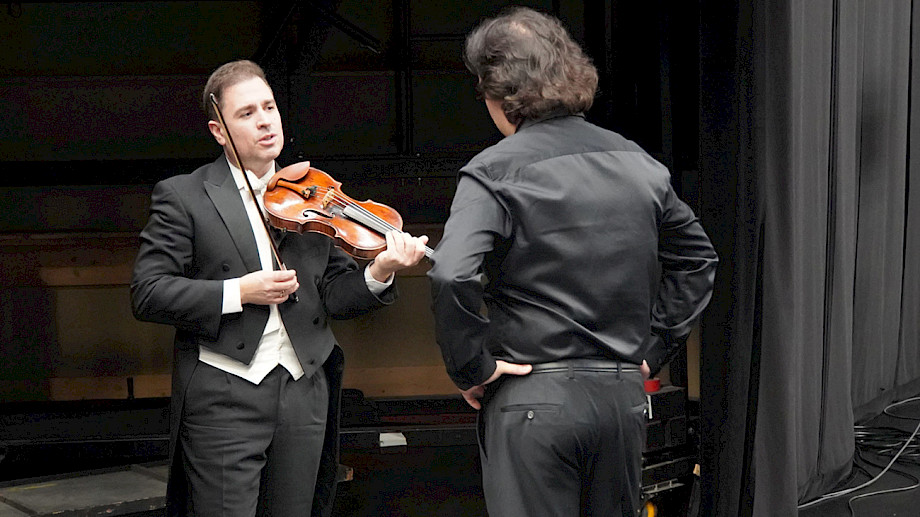
So a few days ago, several buses travelled from Zurich to Baden-Baden - some loaded with instruments, others with musicians. For the first round of the residency, they had the Mahler Symphonies Nos. 1 and 2 in their luggage. And even before the first rehearsal, it was clear that the size of the hall was also reflected backstage: Instrument cases were lined up where opera sets normally wait to be used. There was also more than enough space to play in. And of course, there was also a corner for the double bass players' chessboard.

Paulo Muñoz-Toledo.
Playing chess in Baden-Baden: Oliver Corchia and Kamil Łosiewicz.
Diego Baroni.
Alican Süner.
Sabine Poyé Morel.
Filipe Johnson with orchestra technician Elvin Bekir.

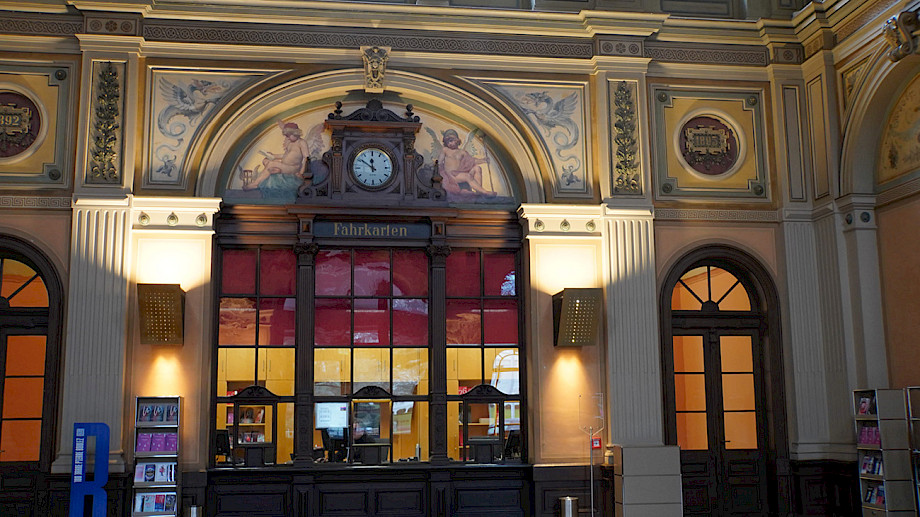
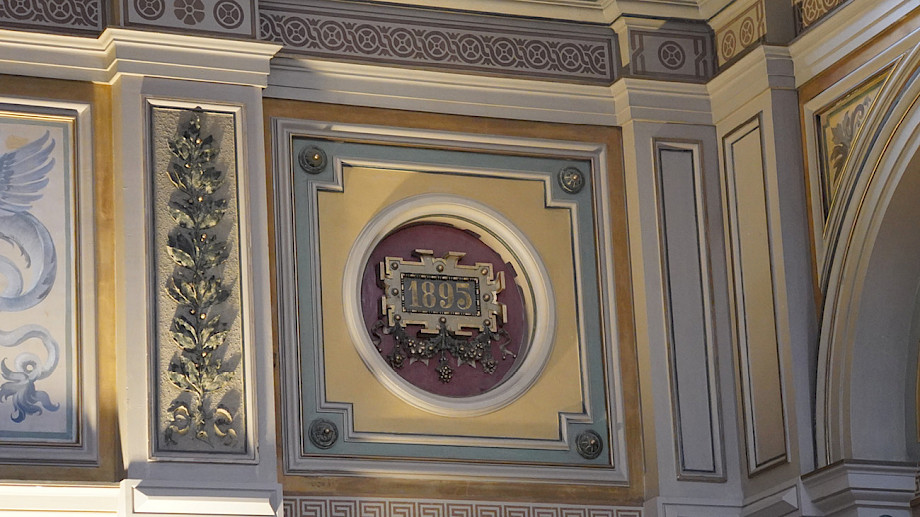
But let's start from the beginning, at the entrance. When you enter the Festspielhaus Baden-Baden, you first find yourself in a lavishly painted ticket hall. The year 1895 appears in a vignette at the top right: not only was the Tonhalle Zurich opened at that time, but also the railway station to which this hall belonged. "Tickets" is still written above the ticket counters in matt gold lettering. But the tickets you buy here are no longer accepted by train staff - they are only valid for musical journeys.

Since 1998, the Festival Theatre has stood where the tracks used to be. Via the former platform 1, you enter a spacious foyer and from there into the hall, which was the subject of much discussion before it opened. How could so many seats be filled in a small town with a population of around 50,000? There was a great deal of scepticism, but a quote from the Swiss writer Kurt Marti, which now hangs on a plaque in the foyer, was heeded: "Where would we go if everyone said where we were going and no one went to see where we would end up if we left?"

The old railway station in Baden-Baden was inaugurated in 1895 - just like the Tonhalle Zürich.
Vignette in the ticket hall of the old railway station.
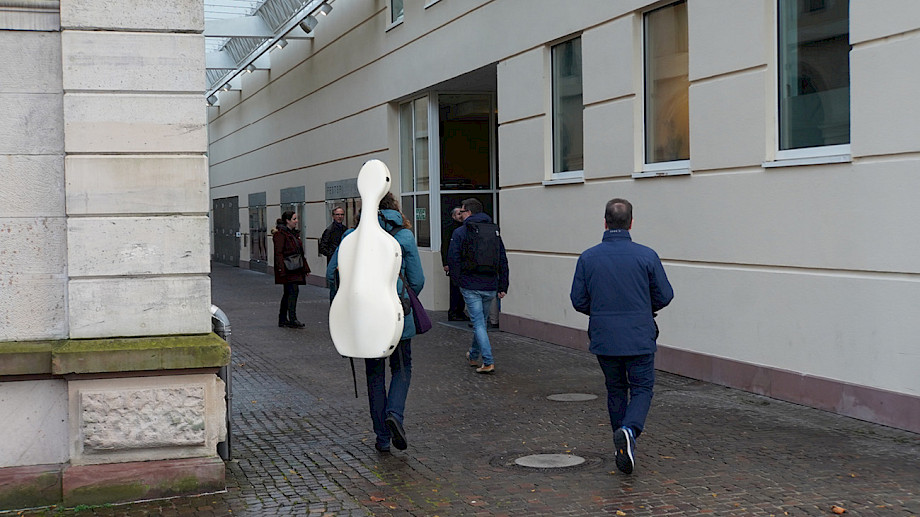
Where the platform to platform 1 used to be is now the artists' entrance.
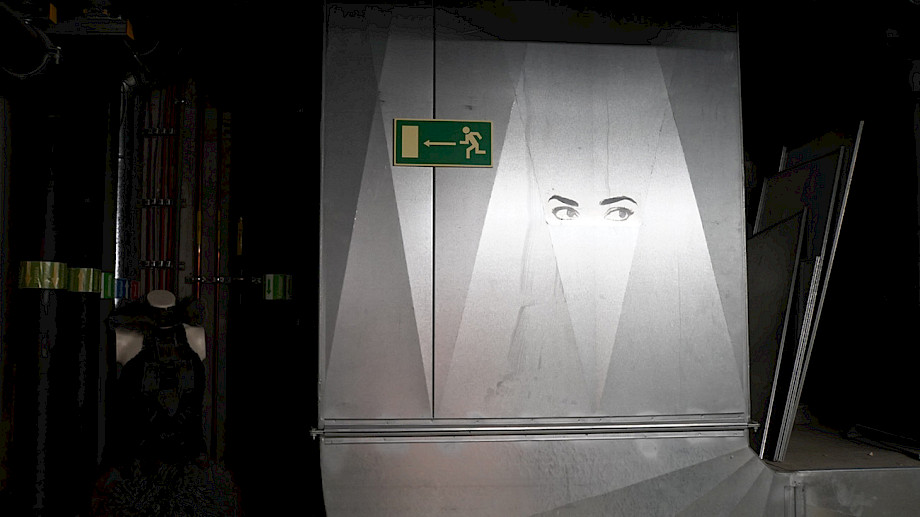
In the bowels of the Festspielhaus.
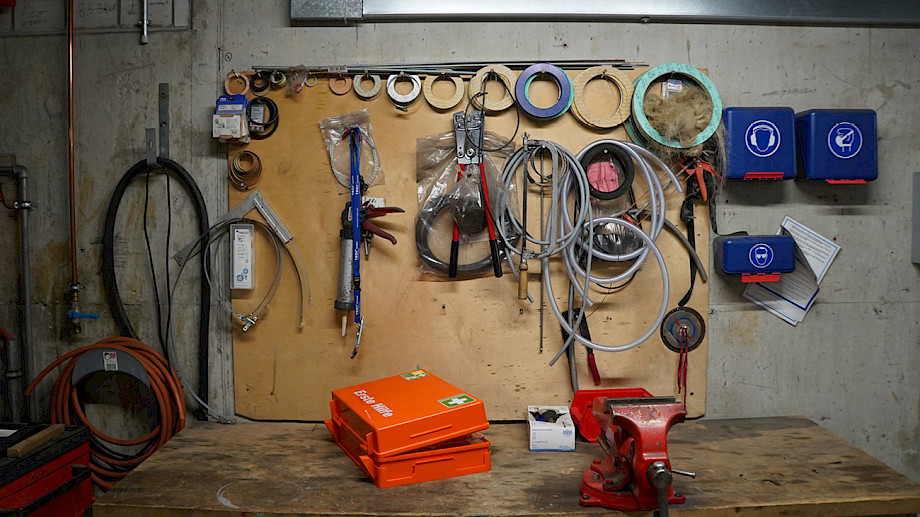
If there is anything to mend ...
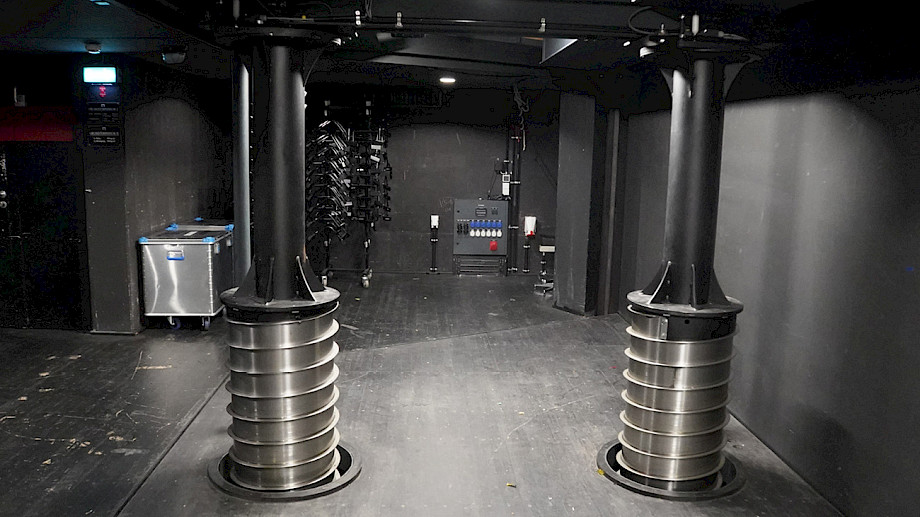
Hydraulics under the stage.
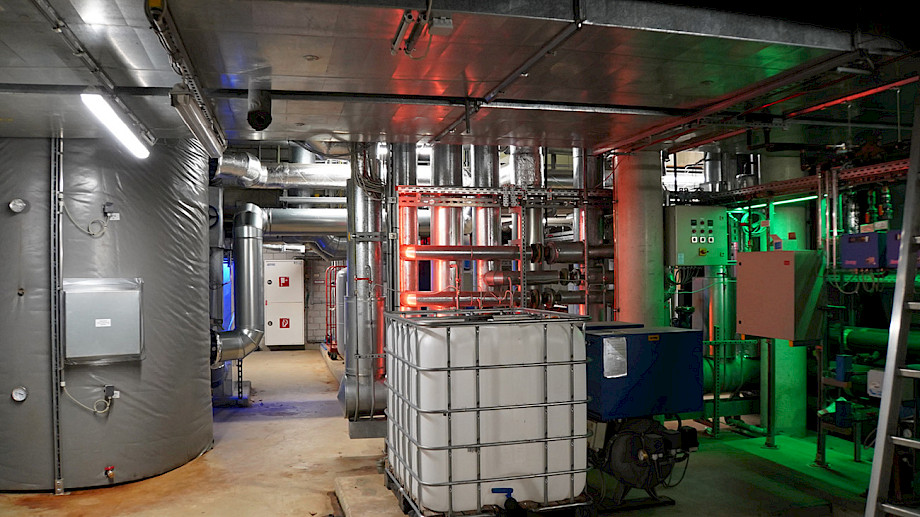
Central to every concert hall: the ventilation!

The risk has paid off. Things are going well at the Festspielhaus Baden-Baden, with regular audiences travelling from Freiburg, Frankfurt and Strasbourg, and many also come from further afield to see and hear what is on offer here. The house may not have its own orchestra, but it does have its own programme: major opera and ballet productions are created for this stage, and the concert programme also features big names. The Berlin and Vienna Philharmonics, the SWR Symphony Orchestra and the Concertgebouw Orchestra are regular guests here. And now also the Tonhalle-Orchester Zürich.

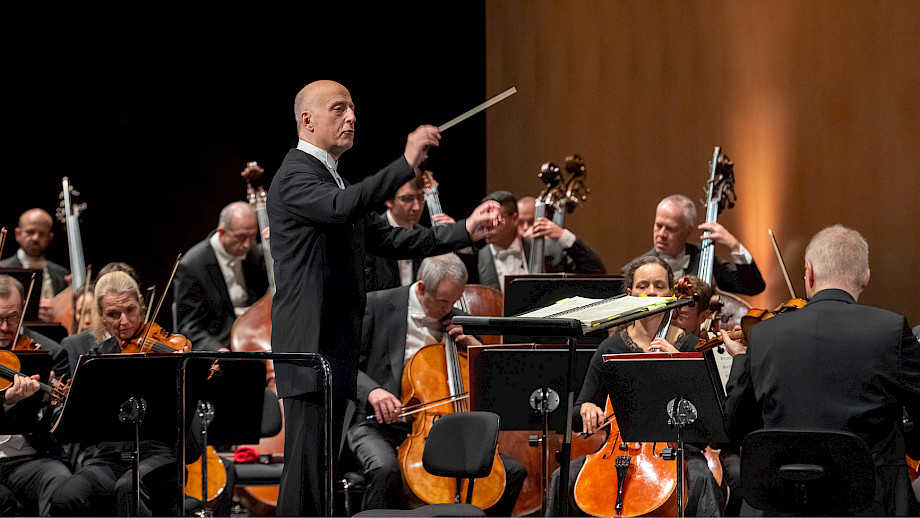
Only a short rehearsal is possible before the first concert begins. "We're professionals, that's fine," says the cellist Mattia Zappa. The orchestra has been living with these Mahler symphonies for weeks now; after the concerts and recordings in Zurich, they played them at the sold-out Vienna Musikverein (after Baden-Baden, the tour continued on to Cologne and Paris). And then there is Paavo Järvi, who has already conducted in every conceivable hall and very quickly realises what is needed. It takes a lot here, the acoustics on stage are pretty dry. "We can hear each other very well in the vocal section, but it is quite difficult to make contact with the other registers," says the violinist Ulrike Schumann-Gloster after the concert, and others have similar things to say.

You don't notice much of this in the hall. The sound is warm and round, and the many details that can be heard are by no means isolated from one another. In Mahler's Symphony No. 1, the different sound worlds collide directly, and in Symphony No. 2, the orchestral sound, the choral sound of the Zürcher Singakademie and the voices of Mari Eriksmoen and Anna Lucia Richter combine so convincingly that the audience in the almost sold-out Riesensaal was moved to a standing ovation.

Paavo Järvi and the orchestra at the Festspielhaus Baden-Baden. Photo: Michael Gregonowits
String players in action. Photo: Michael Gregonowits
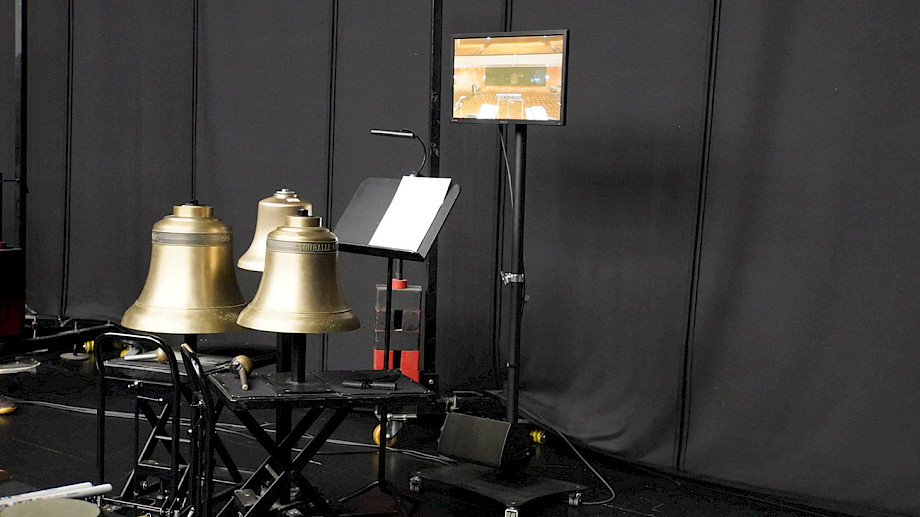
The bells ring backstage in Mahler's Symphony No. 2.
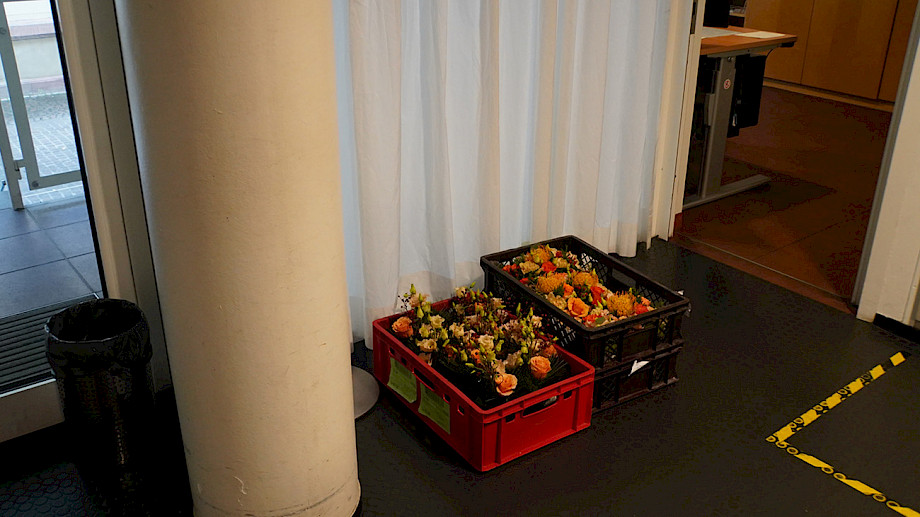
The flowers for the singers Mari Eriksmoen and Anna Lucia Richter are waiting here.
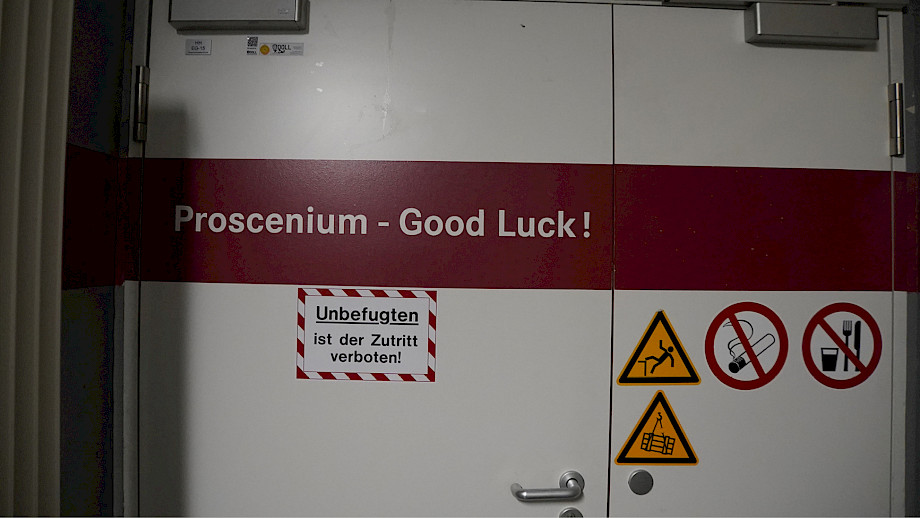
Through this door you enter the stage - "Good Luck!"
Before the concert: View from the stage into the empty hall.

Meanwhile, the usual touring routine prevails between concerts. Practising, sleeping, exploring the city - the musicians quickly get an overview of a new location. After the first concert, pizza is served backstage: the pizzeria right next to the Festspielhaus sells record-breakingly large pizzas, as some of the musicians quickly discover. And in the morning, others explore the most beautiful jogging route in the city, the Lichtentaler Allee: "You can get as far as the Brahms House".

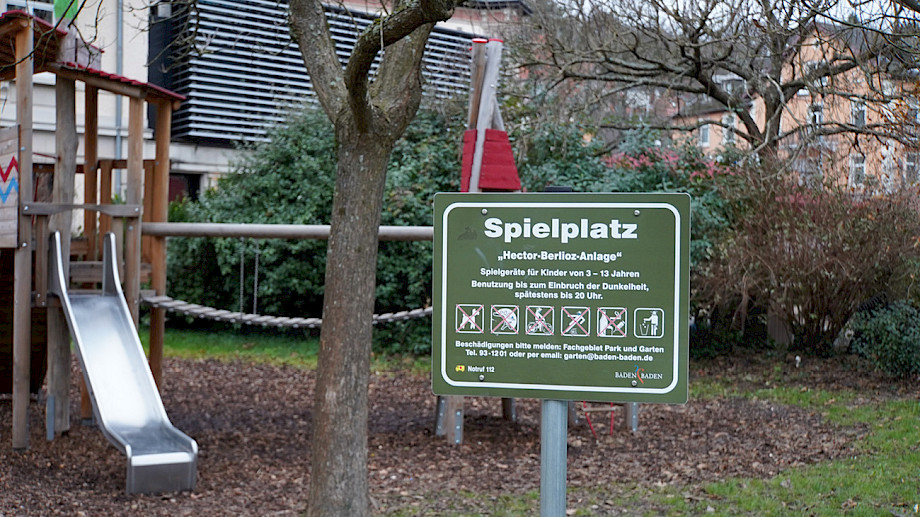
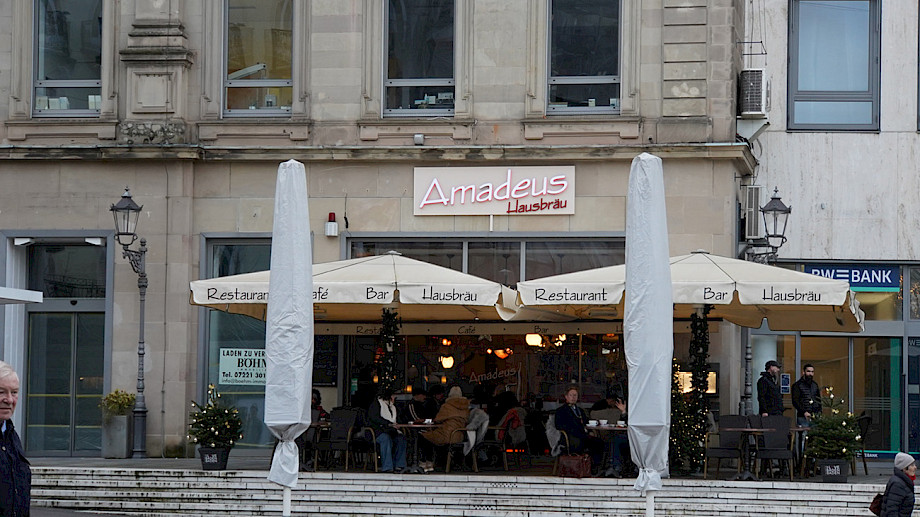
Brahms House? Exactly: Baden-Baden is not only a spa, casino and Christmas market town, but was also a music town long before the Festspielhaus opened. Brahms once discovered it when he visited Clara Schumann, who had moved here after Robert Schumann's death. Hector Berlioz directed the summer festival in Baden-Baden for many years and his opera "Béatrice et Bénédict" was premiered in the local theatre. Today, a park (including a playground) next to the festival theatre is named after him. There is an Amadeus Café, a Hotel Sonata - and a Beethoven street right next to the Tonhalle Zurich.

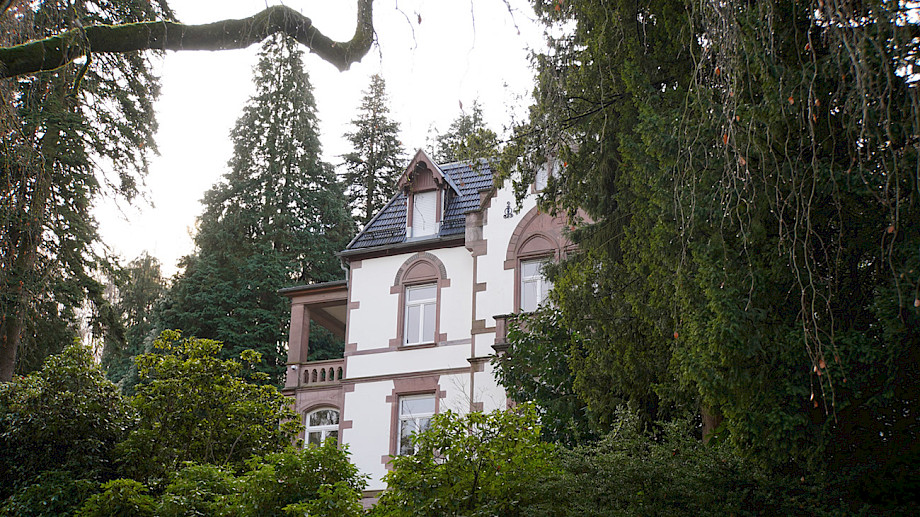
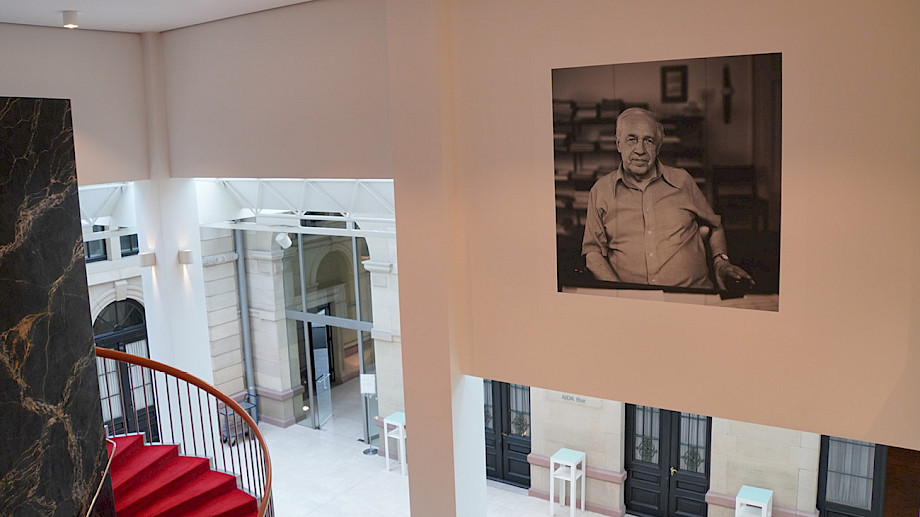
If you walk a few minutes up the hill from the centre, you will also come to the Wilhelminian-style villa surrounded by a large park, where the composer and conductor Pierre Boulez lived from 1959 until his death in 2016. A large portrait of him hangs in the Festspielhaus and the Whitsun Festival was dedicated to him and his work this year - the year in which he would have celebrated his 100th birthday. However, the plan to convert his villa into an artists' centre failed. It was sold and today there are other initials at the entrance.

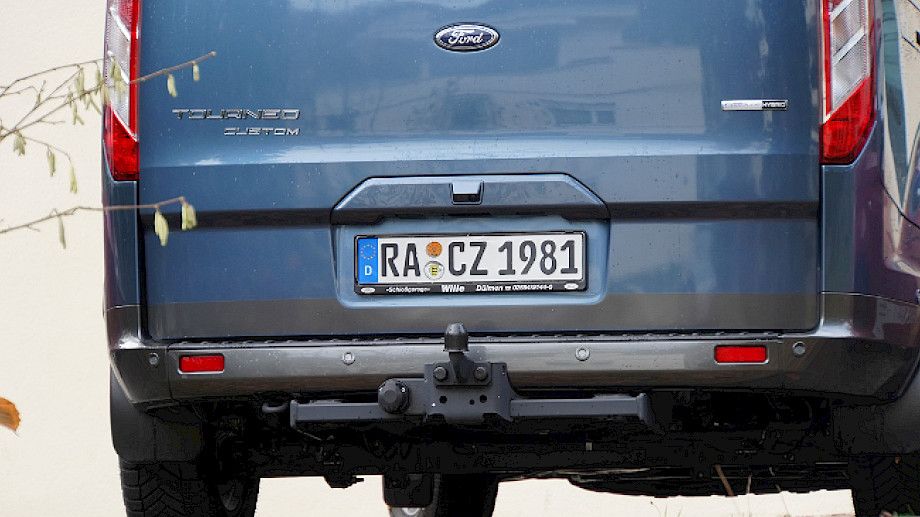
The fact that we pass a car with the registration number RA-CZ on the way back to the centre is undoubtedly a coincidence. But in this city of music, it can certainly be seen as a tribute to our solo bassoonist Matthias Rácz.
Is this a tribute to our solo bassoonist Matthias Rácz?
A playground for Hector Berlioz.
Pierre Boulez lived in this villa.
Boulez portrait at the Festspielhaus Baden-Baden.
A home brew for Mozart.
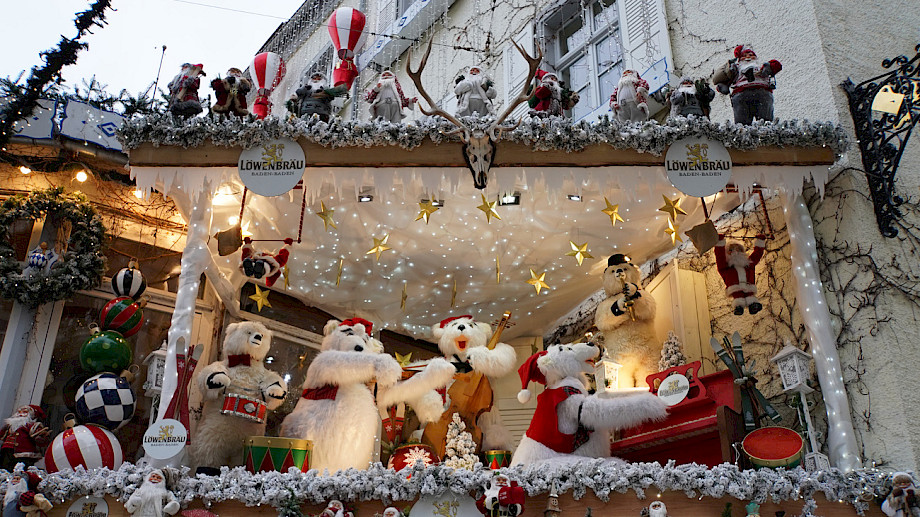
A somewhat different orchestra plays above the Löwenbräu cellar during Advent ...

The guest performance in Baden-Baden and the entire tour to Vienna, Cologne and Paris were supported by Merbag.

published: 02.12.2025